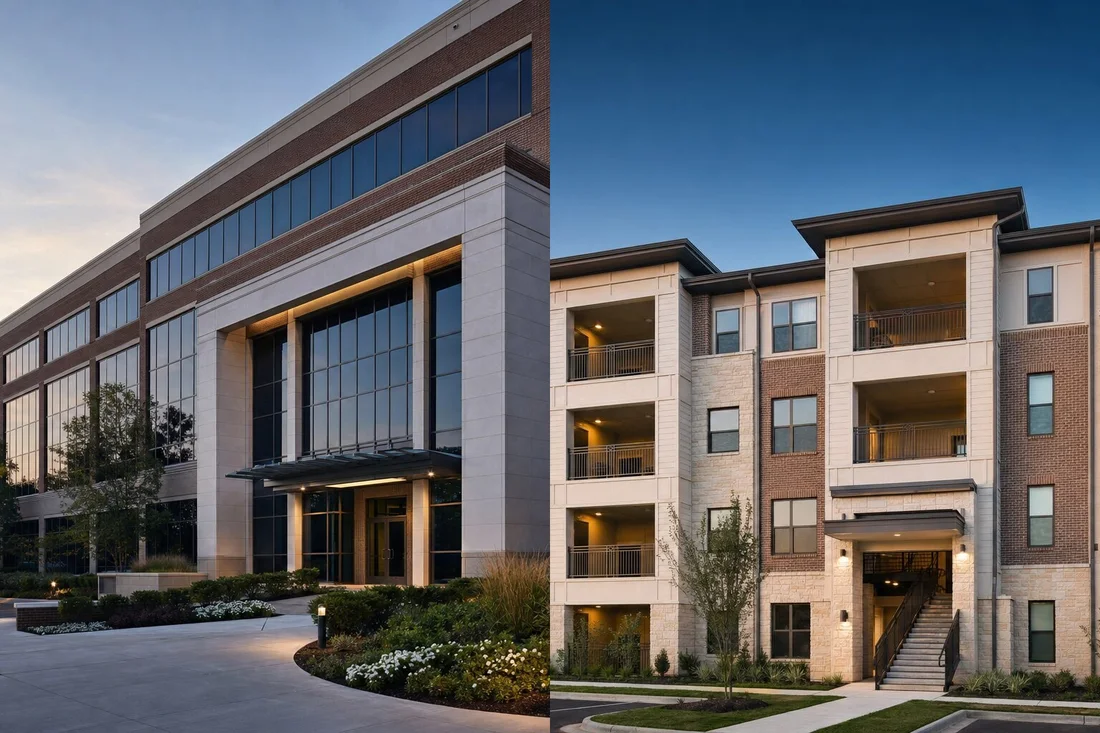
Premises-safety questions examined from the property manager’s seat.
Premises-safety claims at professionally managed properties frequently turn less on the existence of any single policy and more on how the property’s inspection, maintenance, housekeeping, contractor-oversight, and communication systems fit together in daily practice. As a career operator across multifamily and commercial portfolios, I evaluate the property’s stated standards, the operational systems designed to deliver those standards, and the records that show whether the standards were carried out at the property and time in question.
Assignments may involve slip, trip, and fall incidents; common-area conditions in lobbies, corridors, breezeways, parking areas, and stairwells; snow-and-ice response; stair and handrail integrity; elevator maintenance oversight; pool and amenity operations; and construction, renovation, or turnover work performed on-site. The analysis is grounded in what a reasonably prudent operator would establish, communicate, document, escalate, and verify at a similar property.
Operating areas I evaluate
- Inspection programs. Frequency, scope, and documentation of routine site inspections; use of checklists; assignment of responsibility; and evidence that identified conditions were tracked to closure.
- Preventive maintenance. Scheduling, completion, and documentation of preventive-maintenance tasks on common-area systems — lighting, flooring, stairs and handrails, entry doors, walkways, and exterior grounds.
- Housekeeping and porter operations. Coverage, routines, wet-floor response, spill and debris protocols, and the record of daily cleaning activity in the areas at issue.
- Snow and ice response. Vendor scope and triggers, in-house responsibilities, timing of application and clearing, records of activity, and how conditions were monitored throughout an event.
- Stair, handrail, and walking-surface conditions. Inspection cadence, work-order response to reported conditions, and the record of repairs on treads, nosings, handrails, thresholds, transitions, mats, and flooring.
- Elevator, pool, and amenity oversight. Vendor selection and insurance, service and inspection recordkeeping, monitoring of open items, and the property’s response to reported malfunctions or unsafe conditions.
- Contractor and vendor oversight. Selection, scopes of work, certificates of insurance and licensing, contract terms and indemnity, site coordination and work-area protection during on-site work, and the property’s day-to-day verification that snow-and-ice, landscaping, pool, elevator, security, cleaning, and construction vendors performed as contracted. In industry practice, contractors are treated as an extension of the on-site management team. The scope of an operator’s responsibility to supervise on-site vendor work depends on the management agreement, the responsibilities assigned to each party, the vendor’s contractual scope, the management’s actual authority and the information available to it, and its follow-up and verification responsibilities.
- Incident reporting and follow-up. Timeliness and completeness of incident reports, photographs, witness identification, preservation of physical conditions, and internal escalation and communication after an incident.
- Resident, tenant, and visitor communication. Move-in and lease disclosures, community-wide or building-wide notices, work-order acknowledgments, and follow-up on reported conditions.
- Supervisory oversight. Regional-manager or portfolio-manager site visits, audits, corrective-action processes, escalation of unresolved conditions, and the records that document review.
Records commonly reviewed
Materials may include the property management agreement and operating budget, standard operating procedures and safety manuals, inspection checklists and completed inspections, preventive-maintenance schedules and completion records, work-order histories, housekeeping and porter logs, snow-and-ice logs and vendor invoices, elevator and pool service records, contractor scopes and certificates of insurance, resident or tenant notices, incident and injury reports with photographs and statements, training and staffing records, regional site-visit reports, corrective-action documents, owner reporting, and deposition testimony.
The operational question is rarely whether a policy existed. It is whether the property’s inspection and maintenance systems were reasonably designed, whether daily practice matched the stated standard, and whether the record shows the manager identified, escalated, and closed the condition in front of them.
How the review is structured
Each assignment follows a documented, document-first review sequence: identify the policies and standards in force at the time, confirm actual decision authority under the management agreement, review contemporaneous inspection, maintenance, housekeeping, and communication records, and assess whether day-to-day practice matched the property’s stated standard. An unimplemented but otherwise reasonable policy is treated as a different operational failure from a missing policy. The methodology is designed to reach the same operating analysis regardless of the retaining side.
The review distinguishes pre-incident prevention and mitigation — the proactive operator work of identifying and correcting unsafe conditions, complying with applicable codes, posting warnings, practicing preventive maintenance, responding to safety complaints, and monitoring known hazards — from post-incident response, documentation, investigation, corrective action, and review, the work of investigating, documenting, escalating, and learning from an incident once it occurs. Both are established management responsibilities in the multifamily and commercial operating industries, and premises-safety opinions typically examine the property’s systems and records on both sides of the incident.
Scope of opinion
I address property-management operations and industry practice for owners, managers, and operators. I do not offer legal conclusions about duty, breach, negligence, causation, or liability. Engineering conclusions, building-code interpretation, life-safety code analysis, biomechanics, human-factors analysis, forensic accident reconstruction, elevator or pool engineering, and medical opinions remain the province of appropriately qualified professionals engaged for those subjects.