Slip and fall claims examined from the property manager’s seat.
A fall on a managed property rarely turns on a single wet floor, patch of ice or broken step. It turns on whether the people responsible for the property had a working system for finding conditions like that one, deciding what to do about them, assigning the work, telling the people who needed to know, escalating when the first response did not hold, and confirming the condition was resolved. As a career operator across multifamily and commercial portfolios, I evaluate the standards the property set for itself, the systems built to deliver those standards, and the records that show whether the standards were carried out at the property and time in question.
Premises claims are a significant share of the exposure managers and owners carry. Premises losses are the most frequent landlord-liability allegation, accounting for 36% of losses in Advisen data cited by Hylant, and premises liability made up 11% of tort trials in the national Department of Justice study summarized by RapidEye. The analysis is grounded in what a reasonably prudent operator would establish, communicate, document, escalate and verify at a similar property.
Where these cases arise
- Sidewalks and entrances. Walkway surfaces, thresholds, entry mats, vestibules and the transition from exterior to interior flooring.
- Parking lots and garages. Pavement conditions, wheel stops, drainage and pooling, striping and pedestrian routes, ramps and stair towers.
- Stairs and handrails. Treads, nosings, landings, guardrails and handrails in breezeways, stairwells and exterior stairs, and the work-order history behind reported conditions.
- Interior common areas and lobbies. Corridors, mail and package areas, laundry rooms, leasing and management offices, fitness and amenity spaces, elevators and elevator lobbies.
- Wet floors and spills. Housekeeping and porter routines, tracked-in water, leaks, spill response, wet-floor signage and the record of daily cleaning activity.
- Snow and ice. Pre-storm planning, triggers for plowing and treatment, in-house and contractor responsibilities, monitoring during and after an event, refreeze, and the logs that show what was done and when.
- Lighting. Illumination of walkways, stairs, parking areas and entries; the routine used to identify outages; and the response to reported dark areas.
What I examine in the record
- Inspection routines and logs. Frequency, scope and documentation of routine site inspections; use of checklists; who was assigned; and evidence that identified conditions were tracked to closure.
- Work orders and completion verification. How conditions were entered, prioritized, assigned and closed, and whether completion was verified by someone other than the person doing the work.
- Snow and ice contracts and service logs. Vendor scope, triggers and response-time expectations; application and plowing logs; pre-storm and in-storm communications; and how in-house staff filled gaps between contractor visits.
- Vendor qualification and oversight. Selection, scopes of work, certificates of insurance and licensing, contract terms, and the property’s day-to-day verification that snow and ice, landscaping, cleaning and repair vendors performed as contracted.
- Staffing and supervision. Position coverage, on-call procedures, training on inspection and hazard response, and the regional or portfolio review that sat above the site team.
- Resident, tenant and visitor notice and complaint handling. How reported conditions were received, logged, acknowledged and acted on, and what the complaint history shows about notice before the incident.
- Incident reports and post-incident corrective action. Timeliness and completeness of incident reports, photographs, witness identification, preservation of conditions, internal escalation, and the corrective work that followed.
- Policies in force versus actual daily practice. The operating procedures, safety manuals and management agreement in effect at the time, compared against what the records show the site team actually did.
The operational question is rarely whether a policy existed. It is whether the property’s systems for finding and fixing conditions were reasonably designed, whether daily practice matched the stated standard, and whether the record shows the manager identified, escalated and resolved the condition in front of them.
Multifamily and commercial
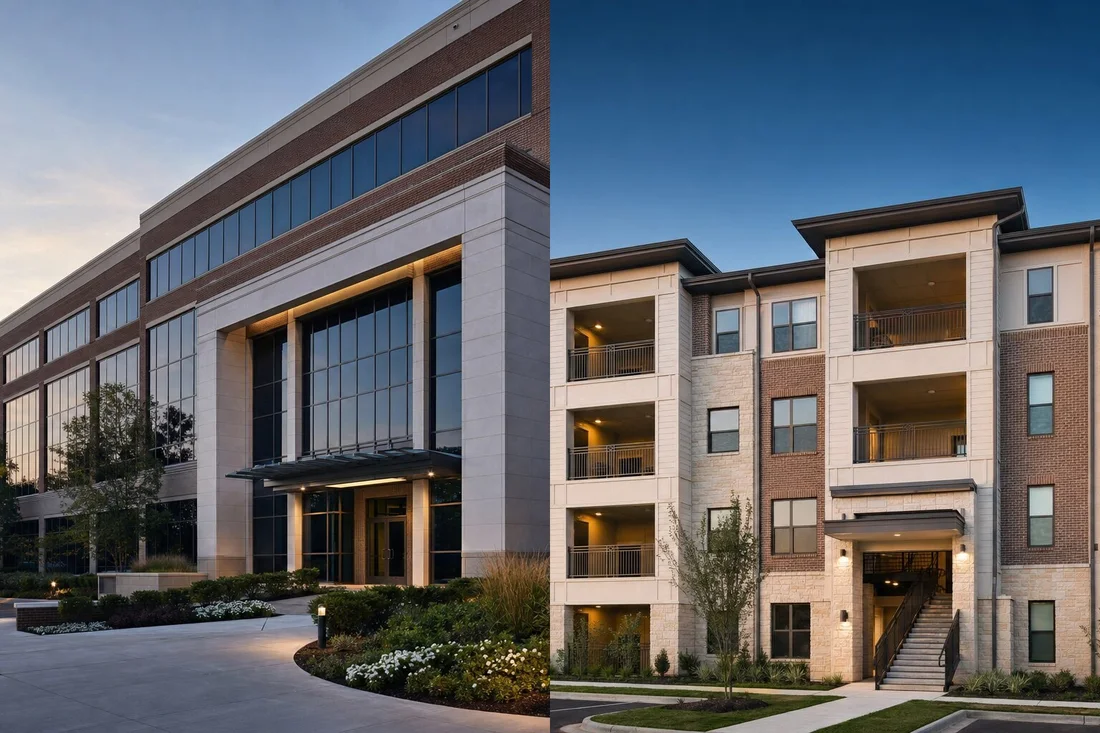
I have run both sides of the industry and review slip, trip and fall and snow and ice matters across both. At apartment communities, the questions typically center on breezeways, stairs, parking areas, pool decks and amenity spaces, resident complaint handling and the site team’s inspection and work-order discipline. At office buildings, they center on lobbies, garages, loading areas and the division of responsibility among owner, manager, janitorial contractor and tenants under the leases. At retail and shopping centers, they center on sidewalks and parking fields, common-area maintenance obligations, high-traffic entrances and coordination with tenants who control their own premises. At mixed-use properties, the same questions arise across residential, retail and parking components managed under one program.
Plaintiff and defense, nationwide
I accept retentions from plaintiff and defense counsel and have been retained by both. The review follows the same document-first sequence regardless of the retaining side: identify the policies and standards in force at the time, confirm actual decision authority under the management agreement and the leases, review contemporaneous inspection, maintenance, housekeeping and communication records, and assess whether day-to-day practice matched the stated standard. An unimplemented but otherwise reasonable policy is treated as a different operational failure from a missing policy. The practice is nationwide. Record review and report preparation are handled remotely, and site inspections and testimony are scheduled by agreement. Every retention is subject to conflict clearance.
Related retained experience
Recent retentions in this area, described without parties, property names, courts or outcomes, include:
- Mixed-use commercial sidewalk snow and ice program (defense). Retained by defense counsel to evaluate how the winter-maintenance program for a commercial sidewalk frontage was organized, assigned, supervised, communicated and documented among the owner, the manager and the contractors, measured against general property-management practice and published industry guidance. De-icing product selection, application rates and legal conclusions reserved to other specialists and counsel.
- Leased-property sidewalk winter maintenance (plaintiff). Retained by plaintiff counsel to evaluate whether the landlord had a reasonable program for monitoring winter conditions and deciding when to treat a sidewalk at a leased property. Weather interpretation, de-icing products and legal conclusions reserved to other specialists and counsel.
- Commercial office common-area condition (premises safety). Retained to evaluate whether the property-management organization maintained a reliable system for identifying, documenting, referring, escalating and closing out common-area conditions, measured against accepted commercial property-management practice. Written expert report prepared for counsel.
Fuller de-identified summaries appear on the Representative Engagements page and in the expert CV.
Scope of opinion
My opinions stay within property-management operations and the organizational systems owners and managers use to run a property. I do not offer legal conclusions about duty, breach, negligence, notice as a legal matter, causation or liability. Engineering conclusions, including slip-resistance and coefficient-of-friction testing, medical causation, accident reconstruction, meteorology and building-code determinations are reserved to other professionals engaged for those subjects. Where a matter needs one of those opinions alongside an operations opinion, I say so plainly and keep my analysis to the management record.
Credentials
Certified Property Manager® (CPM®) and Accredited Residential Manager® (ARM®), Institute of Real Estate Management. Twenty-three years of commercial and multifamily operating experience. Licensed real estate broker in Ohio, Georgia, North Carolina and Virginia; associate broker in Pennsylvania; salesperson in West Virginia. Full background, coursework and licensure detail are in the expert CV. The CPM® and ARM® marks identify credentials held by Emily Goodman Shortall and do not imply IREM endorsement of this practice.
Retaining me
Every engagement begins with a conflict check. Send the parties, the property type and the general nature of the incident through the conflict-check intake, and I will confirm clearance before any substantive discussion. The current fee schedule and the expert CV are published on this site.